How did the Conciergerie become a key site during the French Revolution?
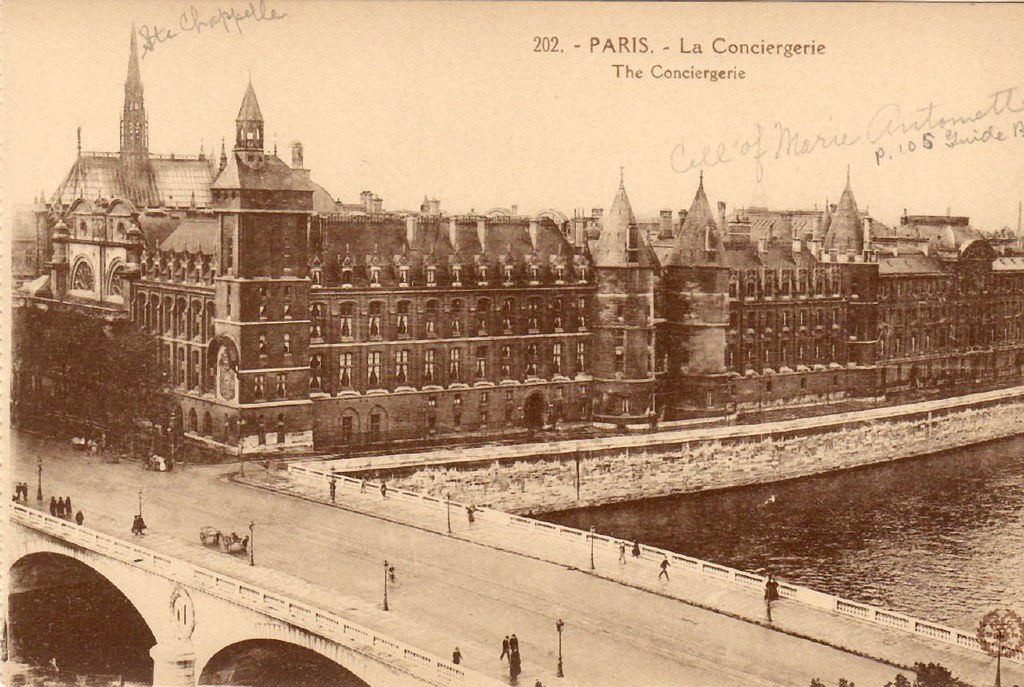
Right in the heart of Paris, on the Île de la Cité, stands one of the city’s most fascinating and often overlooked landmarks, the Conciergerie.
With its medieval towers rising above the Seine, this building has witnessed some of the most dramatic moments in French history.
Once part of a grand royal palace, it later became one of the most feared prisons in the country during the French Revolution.
Today, visiting the Conciergerie is like stepping into two very different worlds at once: the elegant medieval court of French kings and the dark, uncertain days of the Reign of Terror.
But how did this magnificent Gothic palace end up as a revolutionary prison?
Let’s dive into the story.
From Royal Palace to Prison
Before it was known for its prison cells and guillotine-bound prisoners, the Conciergerie was actually part of the Palais de la Cité, the main royal residence of the French kings from the 10th to the 14th century.
It all started when the Capetian kings, the early rulers of France, decided to make the island at the center of Paris their seat of power.
Over time, the palace grew into a massive complex with halls, towers, and administrative offices.
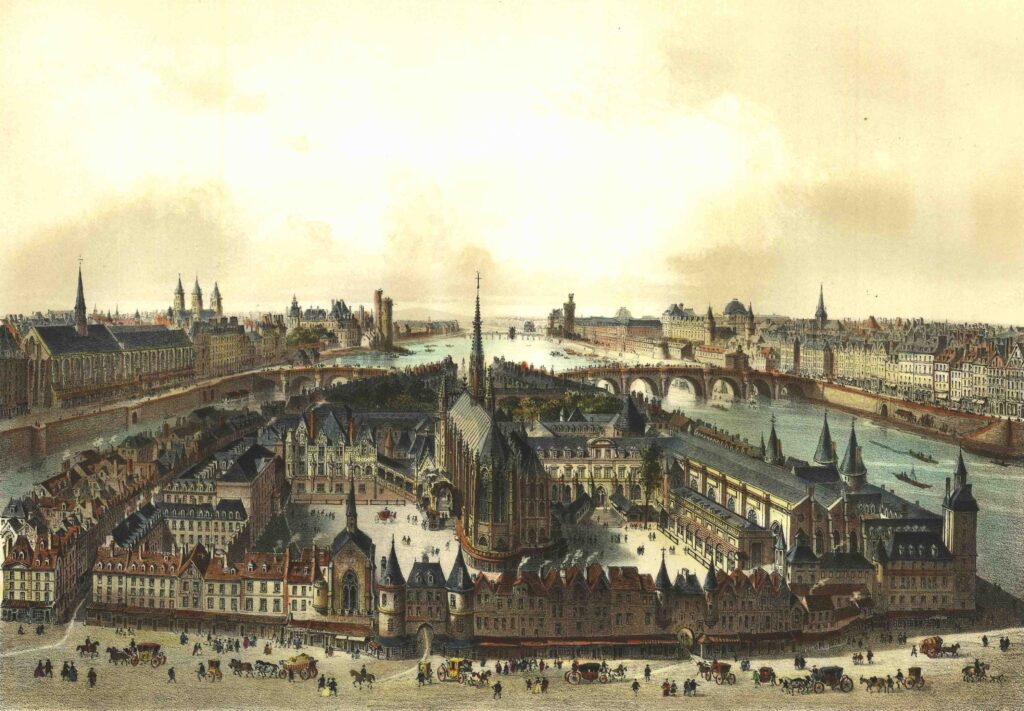
During the reign of King Philip IV (Philip the Fair) in the early 1300s, it became a true masterpiece of Gothic architecture, parts of which you can still see today.
Philip IV added some of the palace’s most famous features, like the Tour de l’Horloge, home to Paris’s very first public clock, and the stunning Salle des Gens d’Armes, which was the main banquet hall for the royal guards.
But as the monarchy became wealthier and more powerful, later kings wanted more comfort.
The royal court eventually moved to the Louvre and later to the Palace of Versailles.
That’s when the old palace on the island took on a new role, as the home of Paris’s law courts and a place of detention.
The section of the palace used as the prison came to be known as the Conciergerie, named after the “concierge,” an official responsible for maintaining order and supervising prisoners.
And so began the building’s long and complex life as a prison at the heart of the city.
Life Inside the Prison Walls
By the 15th century, the Conciergerie had already gained a reputation, and not necessarily a good one.
It became one of the main prisons of Paris, located conveniently close to the Palais de Justice, where trials were held.
Conditions inside depended entirely on who you were.
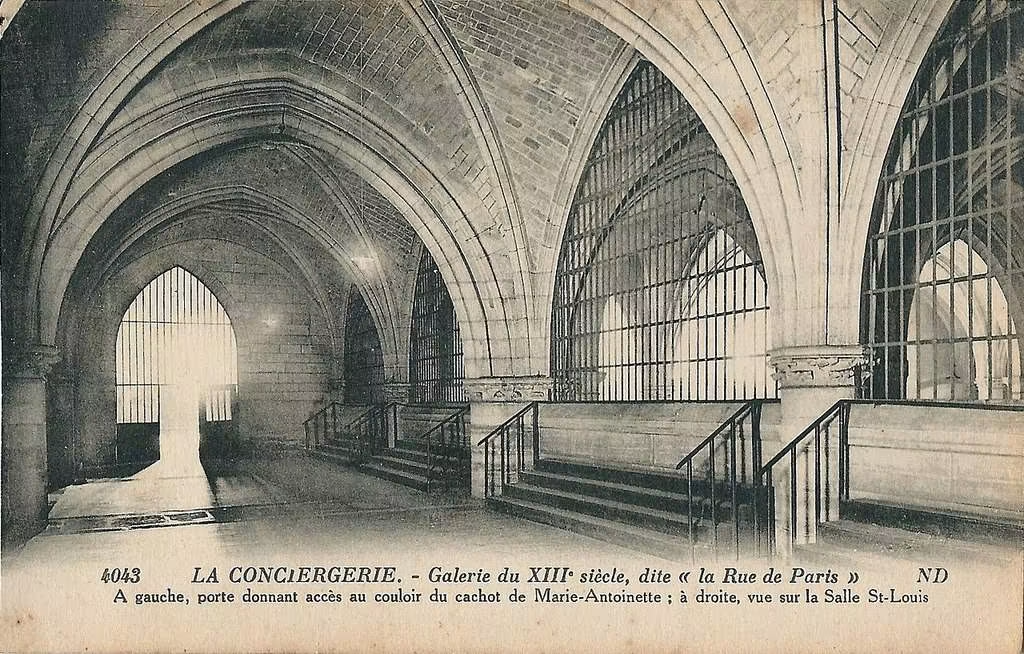
The poor, known as pailleux (from paille, meaning straw), were packed into damp, filthy cells with nothing but straw to sleep on.
Wealthier prisoners, however, could pay for better treatment, even getting private rooms with furniture, beds, and meals brought from nearby restaurants.
This contrast between luxury and misery would only deepen during the French Revolution, when the Conciergerie became one of the most dreaded places in France.
The French Revolution and the Reign of Terror
Fast forward to 1789, when the French Revolution broke out, and France entered a period of massive political and social change.
By 1793, the Revolution had taken a darker turn: the Reign of Terror, a period marked by paranoia, radical politics, and mass executions.
The Conciergerie became the headquarters of the Revolutionary Tribunal, the court in charge of judging those accused of crimes against the Revolution.
It wasn’t just a prison anymore; it was the last stop before the guillotine.
Once someone was brought to the Conciergerie, the chances of leaving alive were slim.
Trials were quick, often lasting just a few hours, and guilty verdicts were almost guaranteed.
From there, prisoners were taken directly to the Place de la Révolution (today’s Place de la Concorde) to be executed.
During the Terror, more than 2,600 people passed through the Conciergerie on their way to the guillotine.
Among them were nobles, clergymen, revolutionaries, and ordinary citizens alike, anyone accused of being an “enemy of the people.”
Marie Antoinette’s Final Days
The most famous prisoner ever held at the Conciergerie was, without a doubt, Queen Marie Antoinette.
After her husband, King Louis XVI, was executed in January 1793, she was moved here from the Temple prison a few months later.
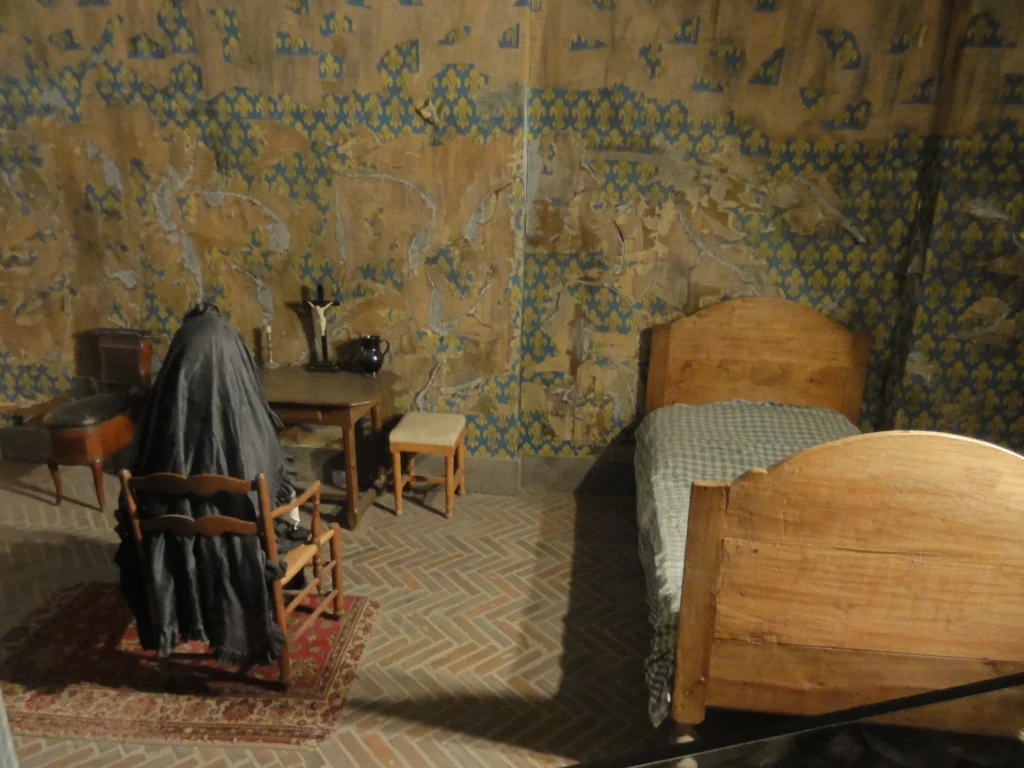
Her cell was small, damp, and cold, a far cry from the luxurious life she had known in Versailles.
Guards watched her constantly, even while she slept.
For over two months, she lived in total isolation, awaiting her fate.
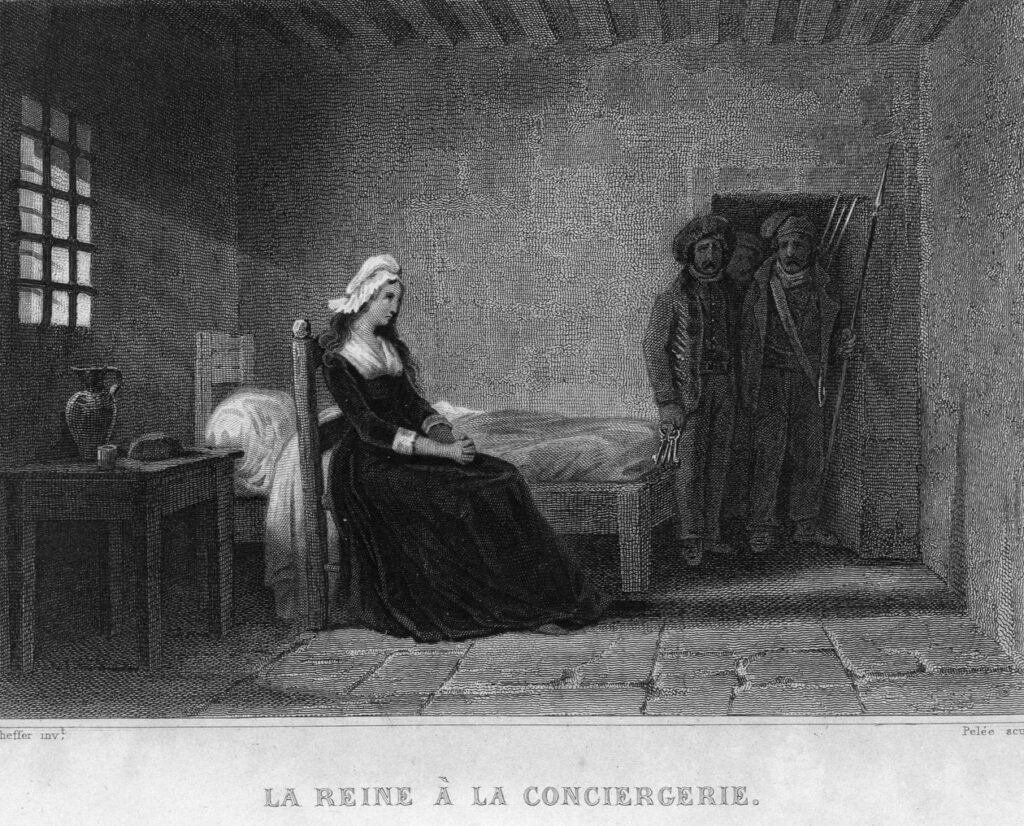
Her trial before the Revolutionary Tribunal took place in October 1793 and lasted just two days.
She was accused of treason, conspiring with foreign powers, and draining the national treasury.
On October 16, 1793, Marie Antoinette was found guilty and sentenced to death.
That same morning, she was taken from the Conciergerie in an open cart through the streets of Paris, wearing a plain white dress.
Crowds jeered as she passed. She was executed by guillotine at the Place de la Révolution, bringing an end to her tragic story.
Today, visitors can see the memorial chapel built on the site of her cell.
It’s a quiet, somber space, and one of the most moving parts of the visit.
Other Notable Prisoners
Marie Antoinette wasn’t the only famous figure to await execution within these walls.
Revolutionary leader Georges Danton, once a hero of the Revolution, was imprisoned here after falling out of favor with Robespierre.
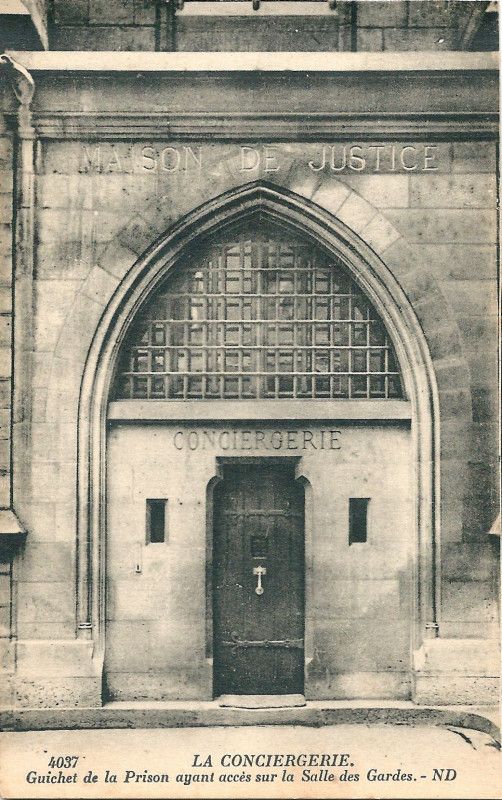
Another was Charlotte Corday, the woman who assassinated journalist Jean-Paul Marat in his bath, a murder that became one of the Revolution’s most infamous events.
Each of them, regardless of their political side, met the same fate: the guillotine.
Visiting the Conciergerie Today
Today, the Conciergerie forms part of the Palais de Justice complex, but part of it is open to the public as a museum.
It’s one of those places in Paris that still feels alive with history; every stone seems to whisper stories from the past.
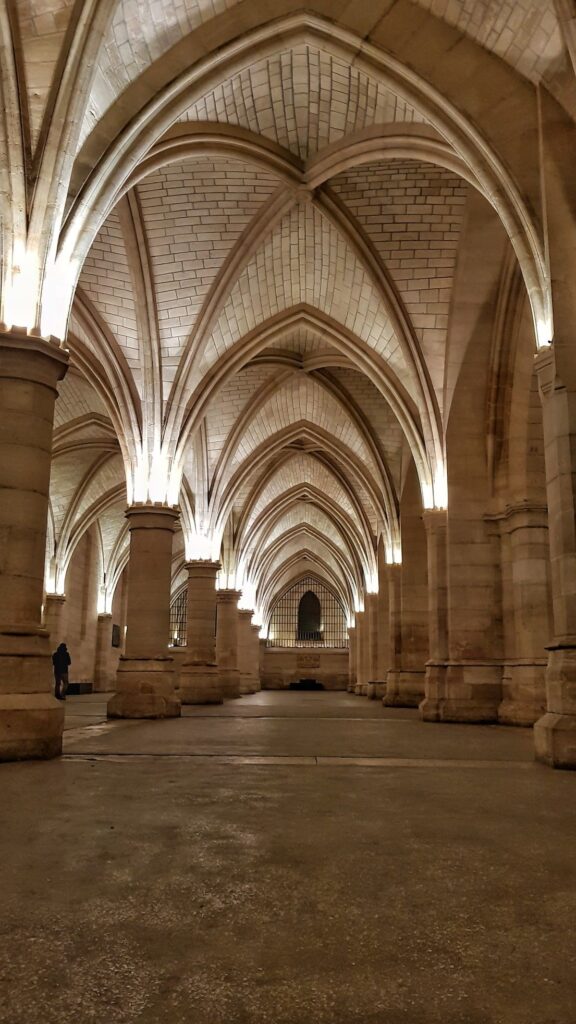
One of the highlights is the Salle des Gens d’Armes, the enormous Gothic hall built in the 14th century.
With its high vaulted ceilings and stone pillars, it’s one of the most impressive examples of medieval civil architecture in Europe.
You can also walk through reconstructed prison cells showing the conditions of different prisoners during the Revolution, from the miserable to the privileged.
Throughout the visit, informative exhibits and multimedia installations help bring the stories of prisoners and the Tribunal to life.
And of course, there’s Marie Antoinette’s Chapel, where visitors often pause in silence, a stark reminder of how even the most powerful can fall.
The Conciergerie’s Legacy
After the French Revolution, the Conciergerie continued to serve as a prison for a while but was gradually transformed again into part of Paris’s main courthouse.
It officially became a national monument in the 20th century, preserving its dual identity as both a palace and a prison.
What makes the Conciergerie so fascinating is how it tells two stories at once: one of royal splendor and one of revolutionary tragedy.
It’s a reminder of how quickly fortunes can change, how the same halls that once hosted kings and queens later held them captive.
Today, walking through its halls gives you a unique glimpse into Paris’s layered history.
You can admire the beauty of Gothic architecture and, at the same time, reflect on the darker moments that shaped France into what it is today.
If you love history…
The Conciergerie is one of those places that’s often overshadowed by more famous Parisian landmarks like the Louvre or Notre-Dame.
Still, it’s absolutely worth a visit, especially if you’re fascinated by the French Revolution.
It’s haunting, beautiful, and thought-provoking all at once.
So next time you’re wandering along the Seine, stop by the Conciergerie.
Step through its ancient doors, and let the walls tell you their story, one of power, loss, and the enduring spirit of Paris.
FAQ
Can you visit Marie Antoinette’s cell at the Conciergerie?
Yes, you can! While the exact cell where Marie Antoinette was held no longer exists in its original form, visitors can see a reconstruction of her prison room, located on the same site.
Is the Conciergerie worth visiting?
Absolutely. Even if you’re not a hardcore history buff, the Conciergerie offers a fascinating look into Paris’s royal and revolutionary past. You’ll walk through incredible Gothic halls, explore prison cells, and stand in the same building where Marie Antoinette, Danton, and hundreds of others once awaited trial.
How long does it take to visit the Conciergerie?
Most visitors spend about 45 minutes to 1 hour exploring the museum, though you could stay longer if you like to read the displays and watch the short historical videos.