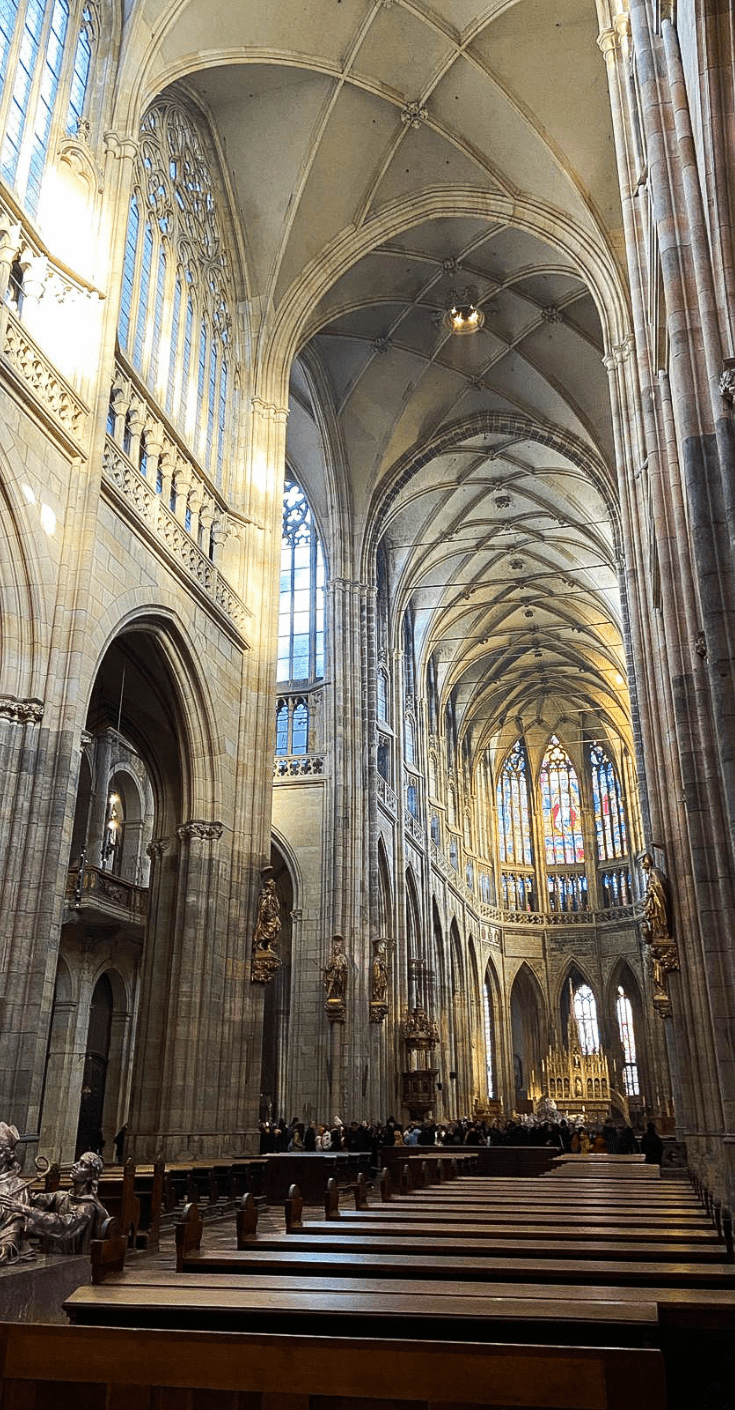
10 Greatest Statues in History and Where to See Them
Statues have always been more than just stone, bronze, or marble.
Across civilizations, they’ve been used to honor gods, celebrate heroes, express artistic genius, and leave a lasting mark on history.
Some statues stand out because of their sheer size, others because of their artistic perfection, and some because of the powerful stories they carry through centuries.
Here are 10 of the greatest statues in history, chosen for their historical, artistic, and cultural impact, and where you can see them today.
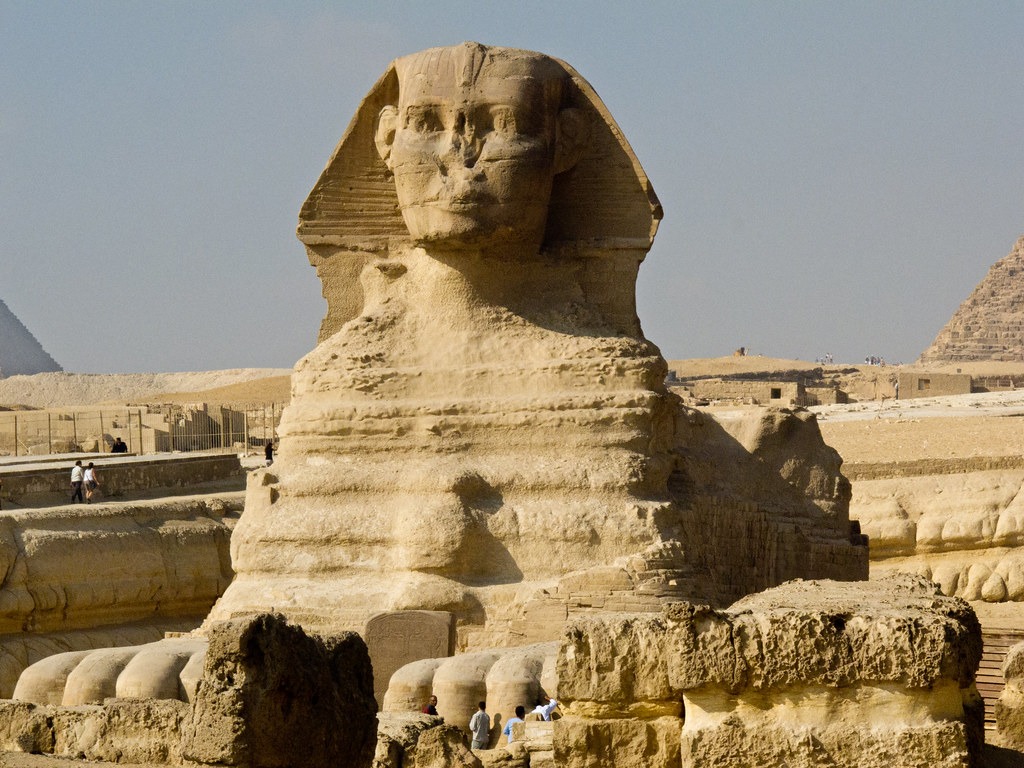
1. Great Sphinx of Giza – Giza, Egypt
The Great Sphinx of Giza is one of the oldest and most mysterious statues in the world.
Carved directly from limestone around 2500 BCE, it features the body of a lion and the head of a pharaoh, believed by many scholars to represent Pharaoh Khafre.
Measuring about 73 meters long and 20 meters high, it guards the Giza Plateau alongside the pyramids.
What makes the Sphinx extraordinary isn’t just its size, but its age and symbolism.
It embodies power, protection, and divine authority, blending human intelligence with animal strength.
Despite centuries of erosion, sandstorms, and unanswered questions (including the infamous missing nose), the Sphinx remains an enduring icon of ancient Egyptian civilization.
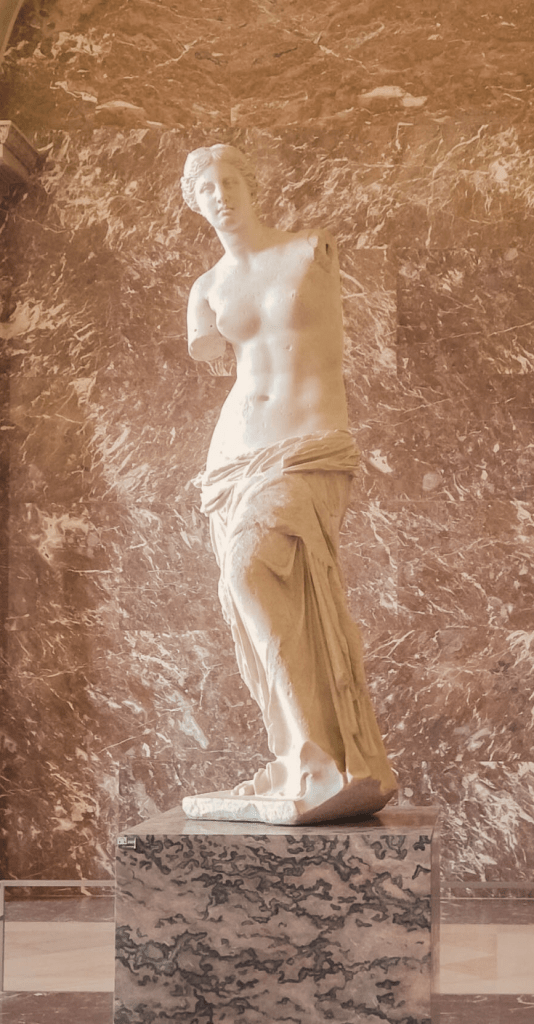
2. Venus de Milo – Paris, France
Few statues are as instantly recognizable as the Venus de Milo, even without her arms.
Discovered in 1820 on the Greek island of Milos, this Hellenistic sculpture dates to around 100 BCE and is believed to depict Aphrodite, the goddess of love and beauty.
Carved in marble and now housed at the Louvre Museum, the Venus de Milo is celebrated for her balanced proportions, soft movement, and timeless elegance.
Despite being incomplete, the statue is considered one of the greatest achievements of ancient Greek sculpture, proving that perfection doesn’t require wholeness.

3. David – Florence, Italy
Michelangelo’s David is arguably the most famous statue in the world.
Sculpted between 1501 and 1504, this 5.17-meter-tall marble masterpiece represents the biblical hero David before his battle with Goliath.
What sets David apart is Michelangelo’s extraordinary understanding of anatomy and emotion.
The tension in David’s body, the focused expression, and the idealized human form make it a defining work of the Renaissance.
Today, the original statue is displayed at the Galleria dell’Accademia in Florence, while a replica stands in Piazza della Signoria.
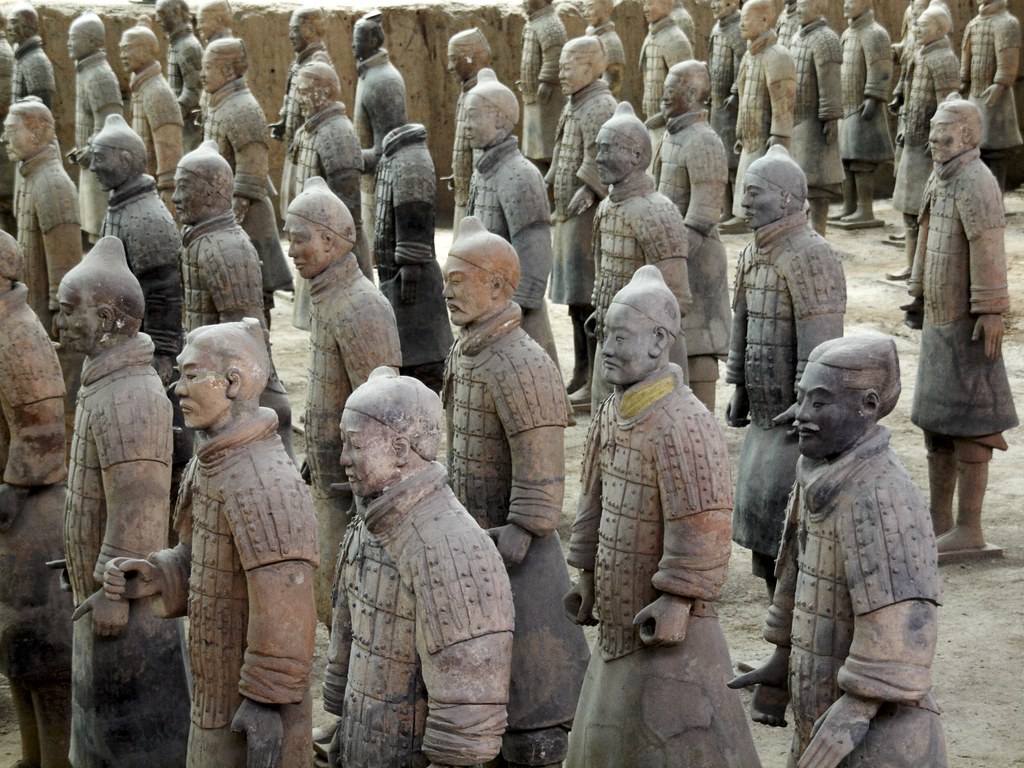
4. Terracotta Army – Xi’an, China
Discovered in 1974 by local farmers, the Terracotta Army is one of the most astonishing archaeological finds in history.
Created around 210 BCE, the army consists of over 8,000 life-sized soldiers, horses, and chariots built to guard the tomb of China’s first emperor, Qin Shi Huang.
Each figure is unique, with distinct facial features, hairstyles, and armor.
Together, they represent not just artistic skill, but the immense power and organizational capacity of ancient China.
You can visit them today at the Terracotta Army Museum in Xi’an.
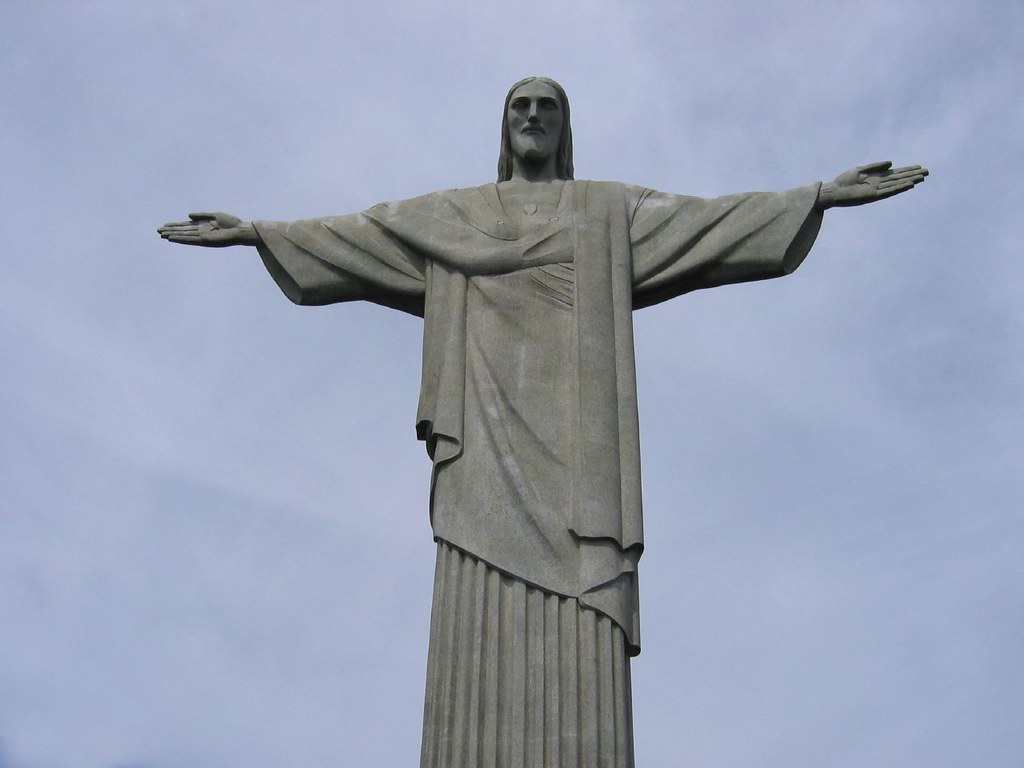
5. Christ the Redeemer – Rio de Janeiro, Brazil
Standing high above Rio de Janeiro atop Mount Corcovado, Christ the Redeemer is one of the most iconic statues of the modern world.
Completed in 1931, the statue stands 30 meters tall (not including its pedestal) and features Jesus Christ with open arms overlooking the city.
Beyond its size, the statue is a powerful symbol of peace, faith, and Brazilian identity.
Made of reinforced concrete and soapstone, Christ the Redeemer is both a religious monument and a global cultural icon, offering one of the most breathtaking views in the world.
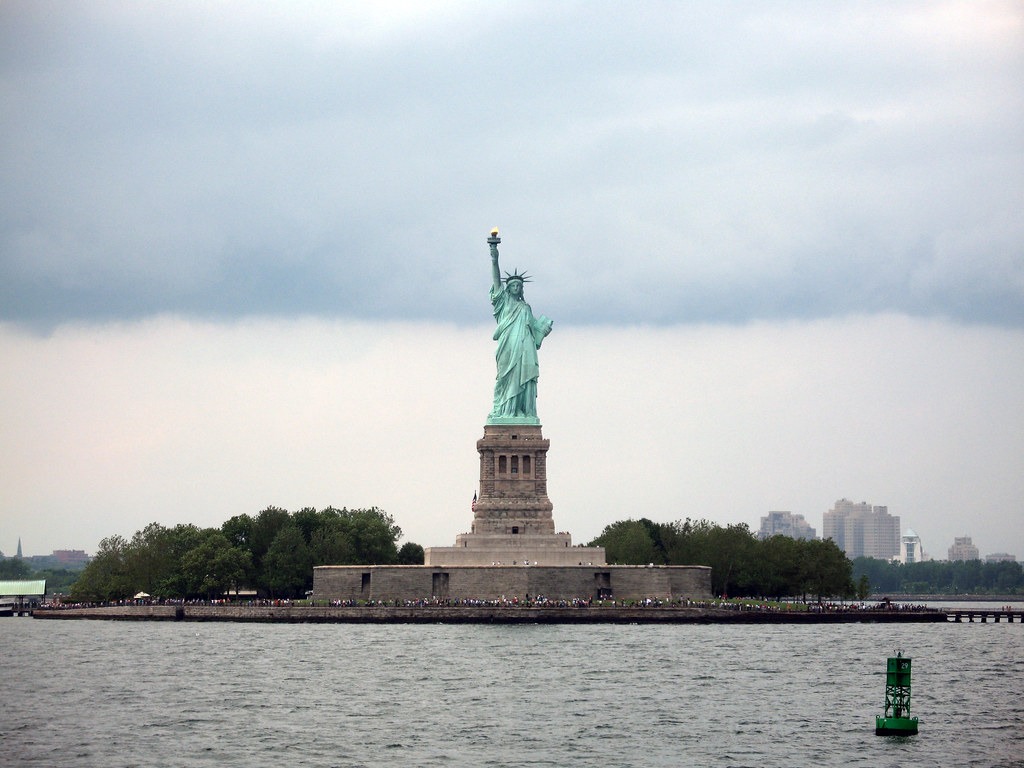
6. Statue of Liberty – New York City, USA
A gift from France to the United States, the Statue of Liberty has welcomed millions of immigrants arriving in America since 1886.
Designed by sculptor Frédéric Auguste Bartholdi, with internal engineering by Gustave Eiffel, the statue stands 93 meters tall, including its pedestal.
Lady Liberty represents freedom, democracy, and hope.
Her torch, tablet, and broken chains at her feet all carry symbolic meaning.
Located on Liberty Island, the statue remains one of the most recognizable monuments in the world and a defining symbol of modern liberty.
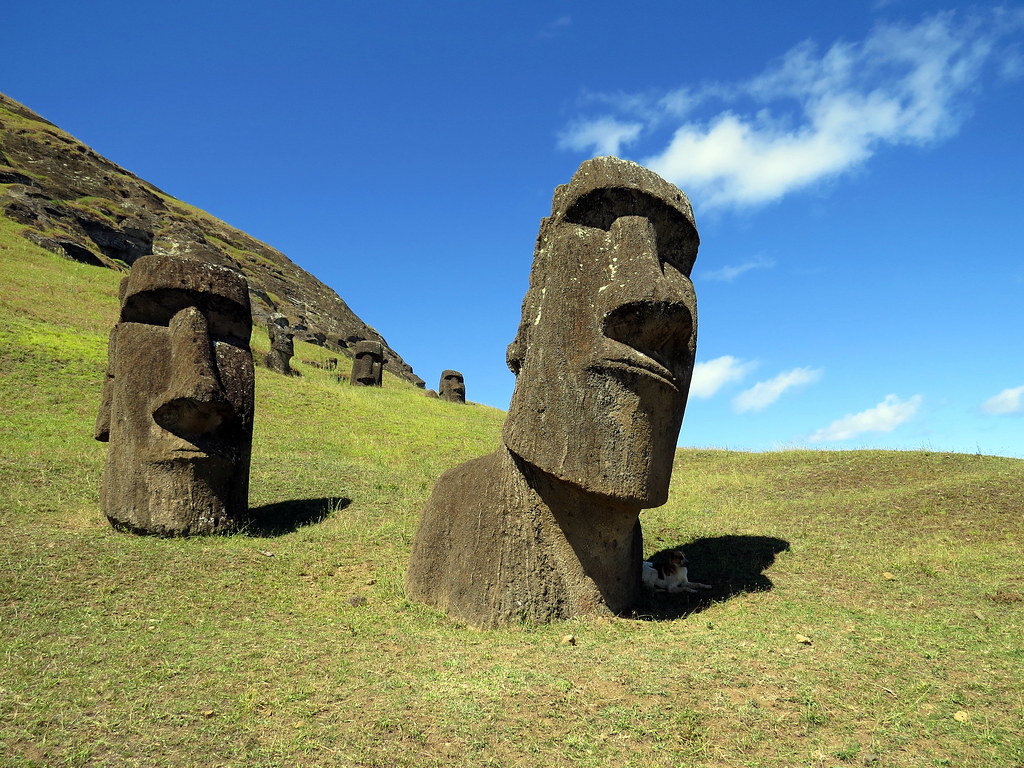
7. Moai Statues of Easter Island – Rapa Nui, Chile
Scattered across the remote island of Rapa Nui, the Moai statues are among the most enigmatic sculptures ever created.
Carved between 1250 and 1500 CE, these massive stone figures can weigh up to 80 tons and stand as tall as 10 meters.
Created by the Rapa Nui people, the Moai are believed to represent ancestral leaders and were placed facing inland to protect villages.
Their isolation, mysterious transportation methods, and solemn expressions continue to fascinate historians and travelers alike.

8. The Thinker – Paris, France
Originally conceived as part of a larger work titled The Gates of Hell, The Thinker became one of the most famous sculptures in Western art.
Created by Auguste Rodin in the late 19th century, it depicts a nude male figure deep in thought, symbolizing human contemplation and intellectual struggle.
The statue’s raw emotion and expressive form marked a departure from classical ideals, helping shape modern sculpture.
The most famous cast can be seen at the Musée Rodin in Paris, though versions exist worldwide.
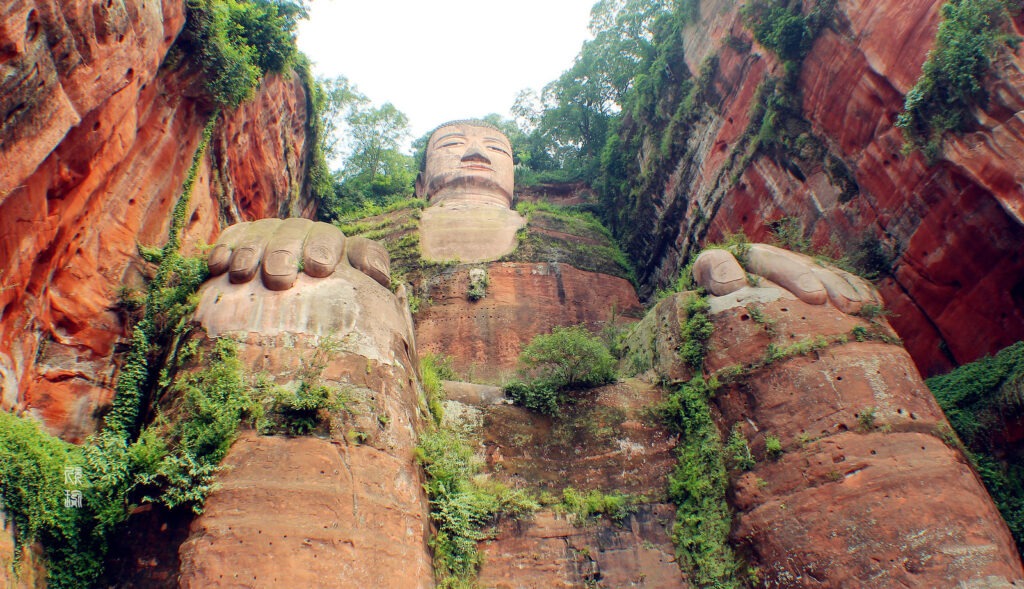
9. Buddha of Leshan – Sichuan, China
Carved into a cliff face during the Tang Dynasty (8th century), the Buddha of Leshan is the largest stone Buddha statue in the world, standing 71 meters tall.
It overlooks the confluence of three rivers and was created to calm turbulent waters that threatened local boats.
Beyond its monumental scale, the statue is an engineering marvel, featuring an advanced drainage system to prevent erosion.
Today, it remains an important spiritual site and a UNESCO World Heritage Site in Sichuan Province.
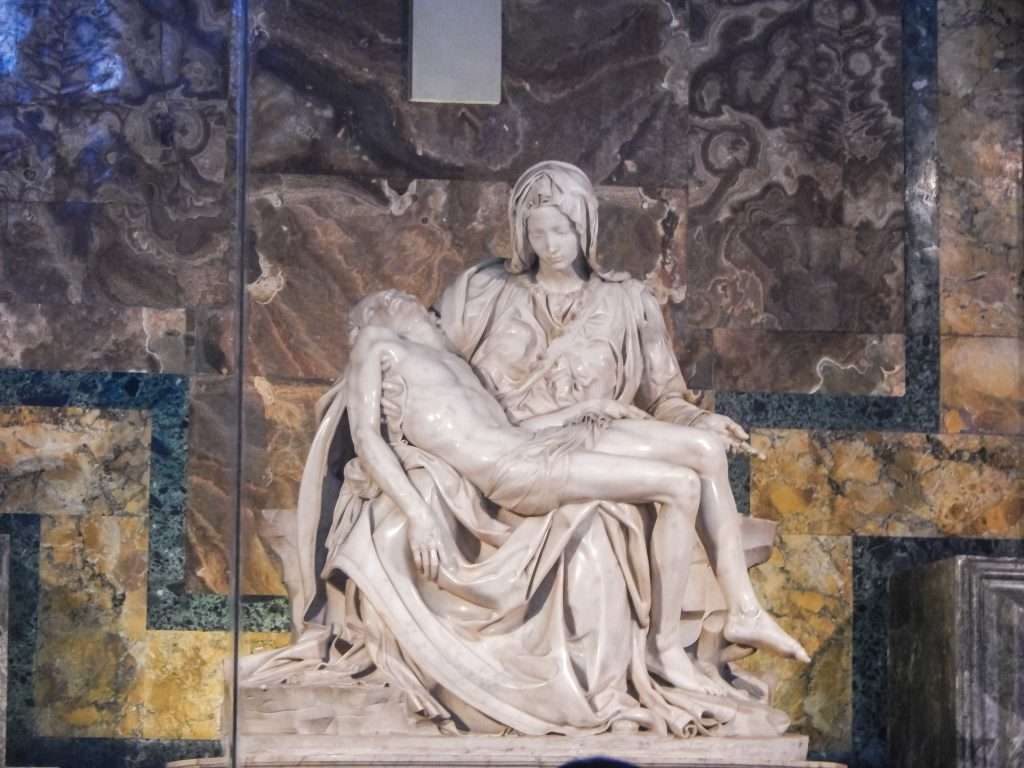
10. Michelangelo’s Pietà – Vatican City
Another of Michelangelo’s masterpieces, Pietà, is one of the most emotionally powerful sculptures ever created.
Completed when the artist was just 24 years old, it depicts the Virgin Mary holding the lifeless body of Christ after the crucifixion.
Carved from a single block of marble, the sculpture is celebrated for its tenderness, realism, and technical perfection.
Unlike many dramatic religious artworks, the Pietà conveys quiet sorrow rather than anguish.
It can be seen today inside St. Peter’s Basilica in Vatican City.